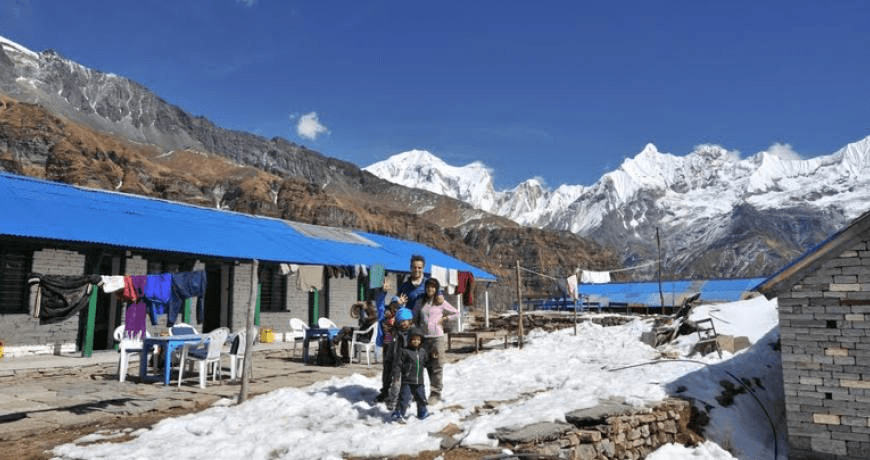
A dramatic journey through the Annapurna Sanctuary, showcasing stunning Himalayan vistas, vibrant cultures, and the majestic Annapurna Base Camp.
Group and private trek available
A paradise trek through varied Himalayan landscapes and rich local cultures.
Read MoreNow at Annapurna Base Camp [7:45 PM NST]
There are two ways to book this trek. One is to book directly through the booking form on the left sidebarbottom of this page and the other is to book through our WeTravel page.
A once-in-a-lifetime journey to the Annapurna Base Camp through diverse landscapes and cultures.
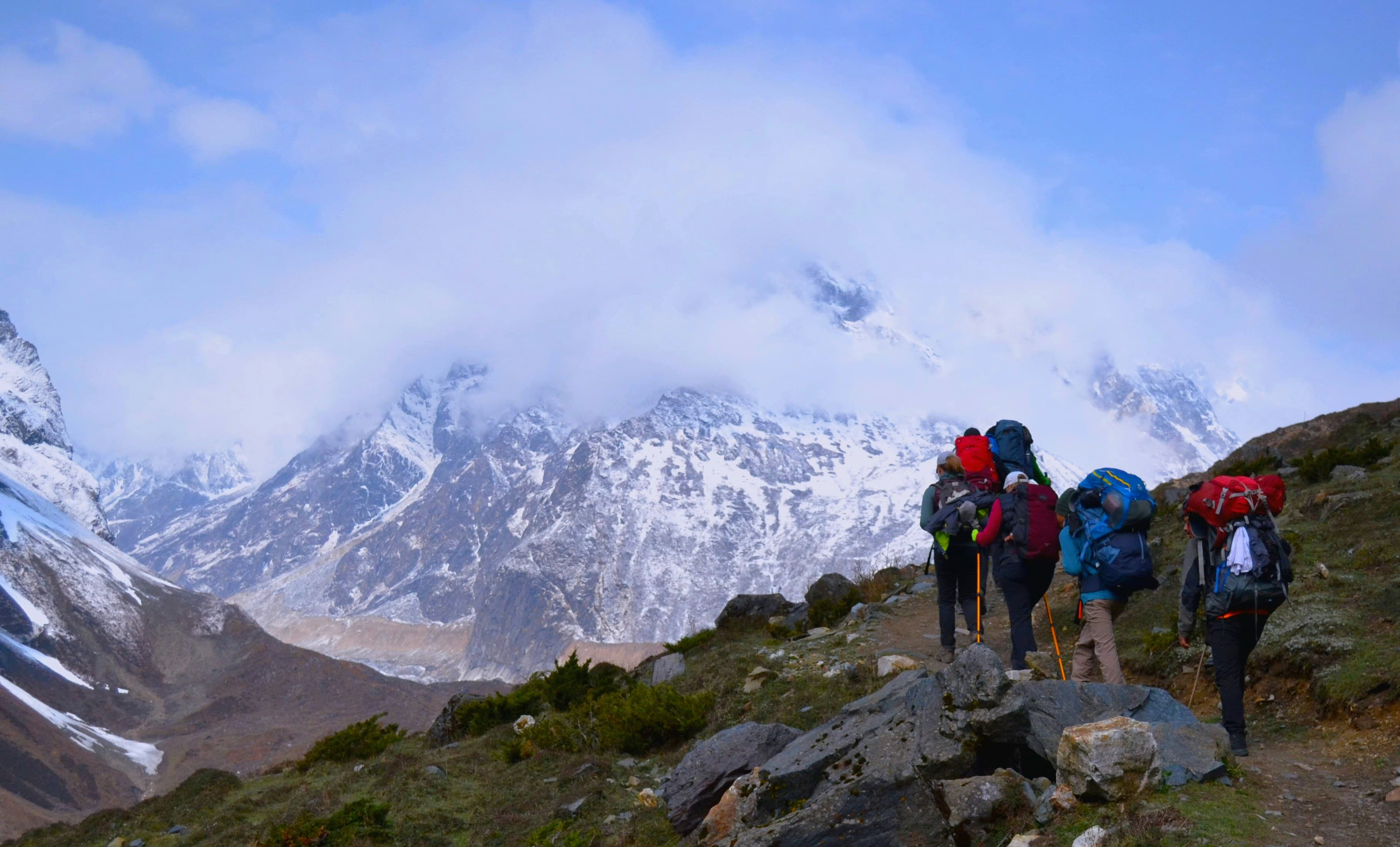
Annapurna Base Camp Trek is one of the best trekking trails with beautiful natural Environment, various panoramic Himalayan ranges, rich culture, festivals, and ancient heritages leading to 4,130 meters (13,549 ft). The Annapurna trekking region in Nepal is recognized as paradise and offers a dramatic trekking experience for adventurers worldwide.
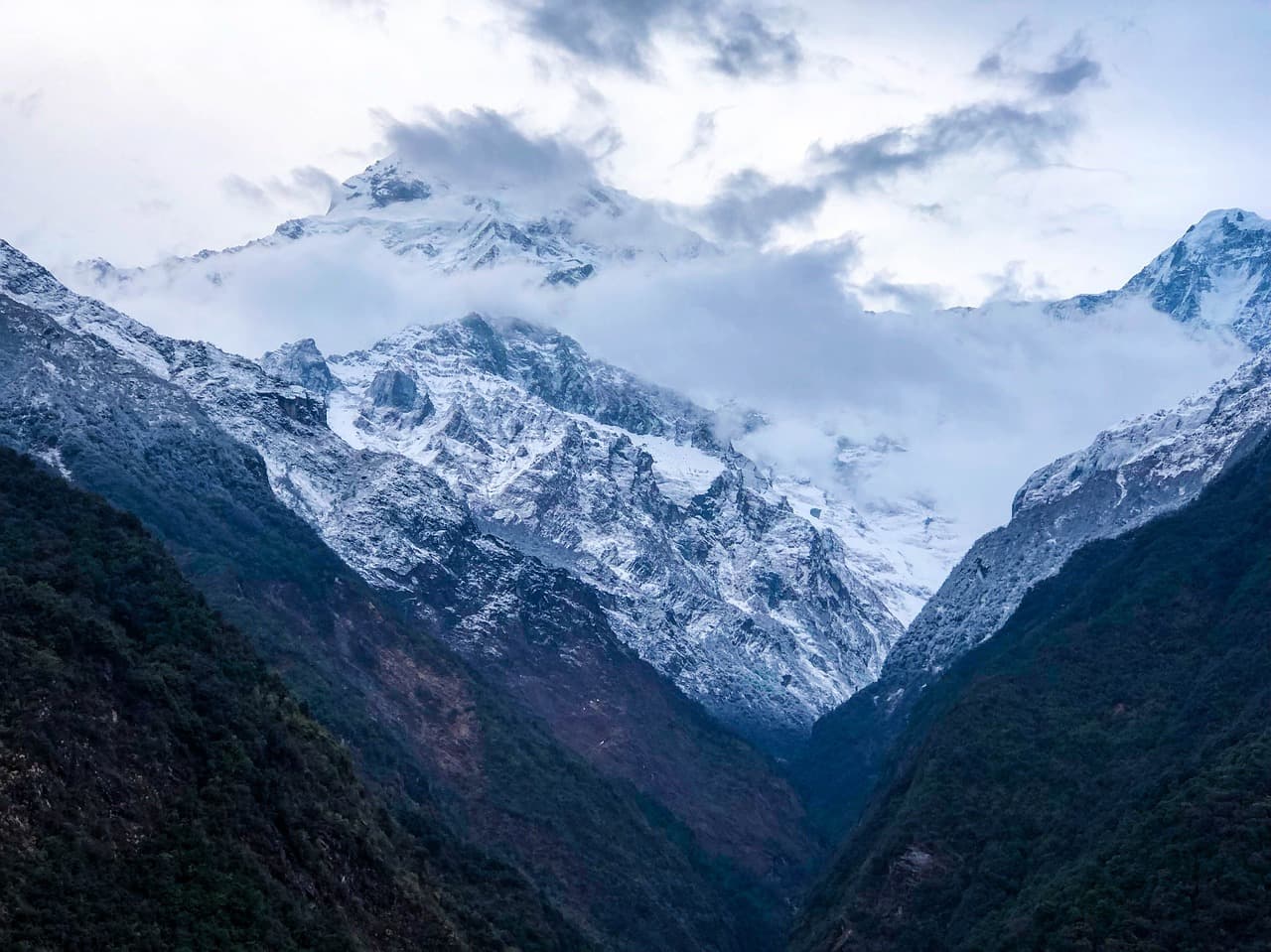
Dominated by majestic peaks such as the Annapurna Ranges, Dhaulagiri, Manaslu, and Machhapuchre, this trek provides true Himalayan immersion. Trekking through lowland villages and mountain communities reveals the unique cultures of the Gurung, Magar, Manangi, Thakali, and other local ethnic groups.
Commonly starting or finishing at Phedi or Nayapul, the Annapurna Sanctuary Trek traverses myriad trails to reach Annapurna Base Camp. From Nayapul, set off on scenic paths leading to Chhomrong, and continue upwards on the single trail to ABC, passing through lush forests, suspension bridges, and traditional tea houses.
The journey of a lifetime to the base of the world's highest peak
Adventure trekking into the heart of Annapurna region
Stay in the charming lake city of Pokhara
Experience the culture and lifestyle of the ethnic Gurung
Enjoy natural hot spring bath in the mountains
Overnight stay at the Annapurna Base Camp
Explore traditional Gurung, Magar, Manangi, and Thakali villages
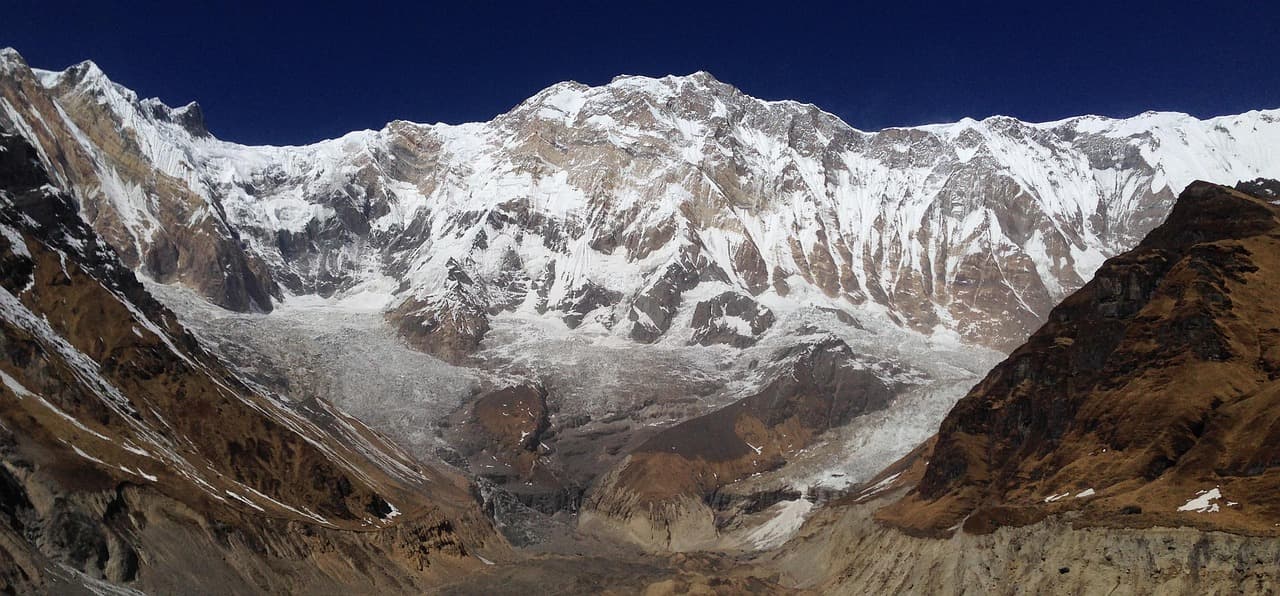
Witness panoramic views of Annapurna, Dhaulagiri, and Machhapuchre
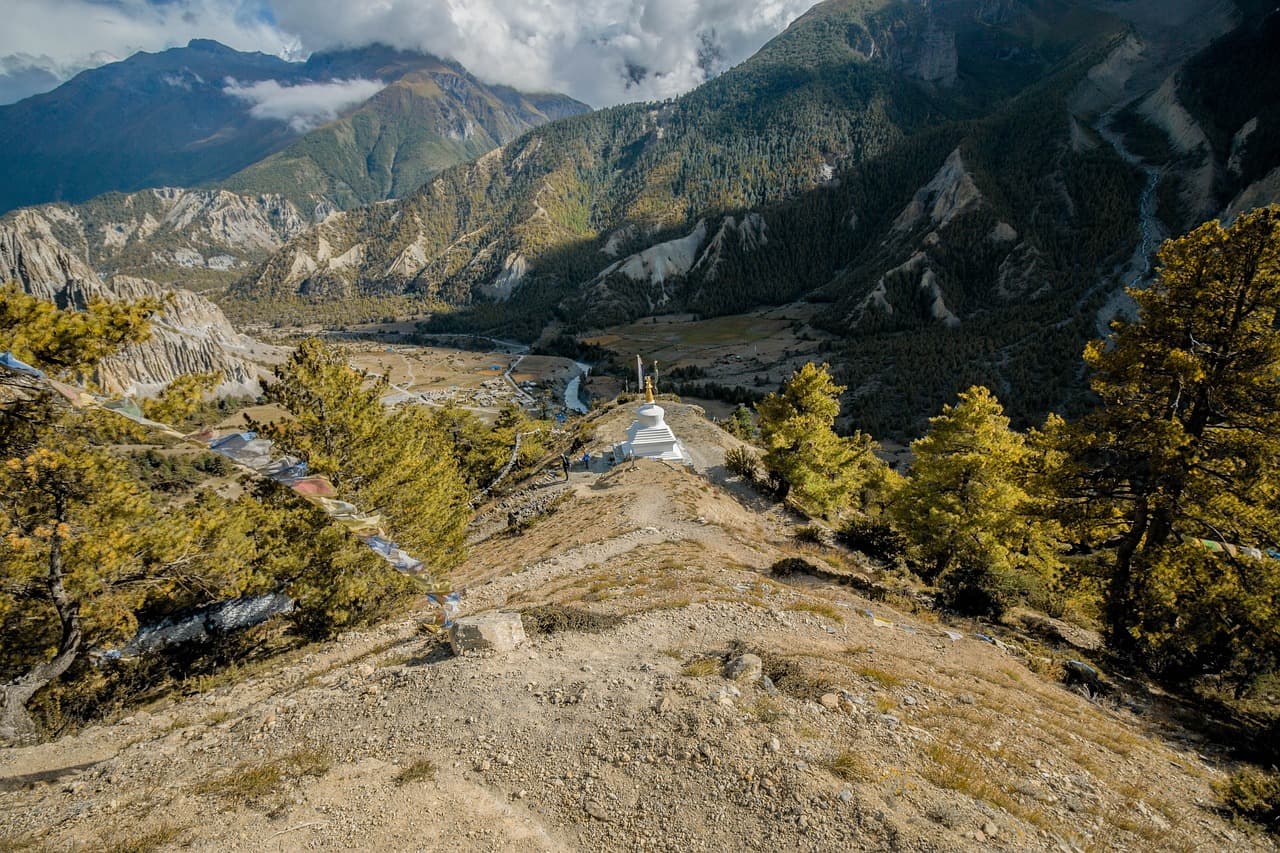
Traverse diverse landscapes from subtropical forests to alpine meadows
A day-by-day plan of your Annapurna Base Camp adventure
Enquire to customize your itinerary
Transparent pricing with no hidden fees
The best time to trek Everest Base Camp
Check availability to see if your preferred date is available.
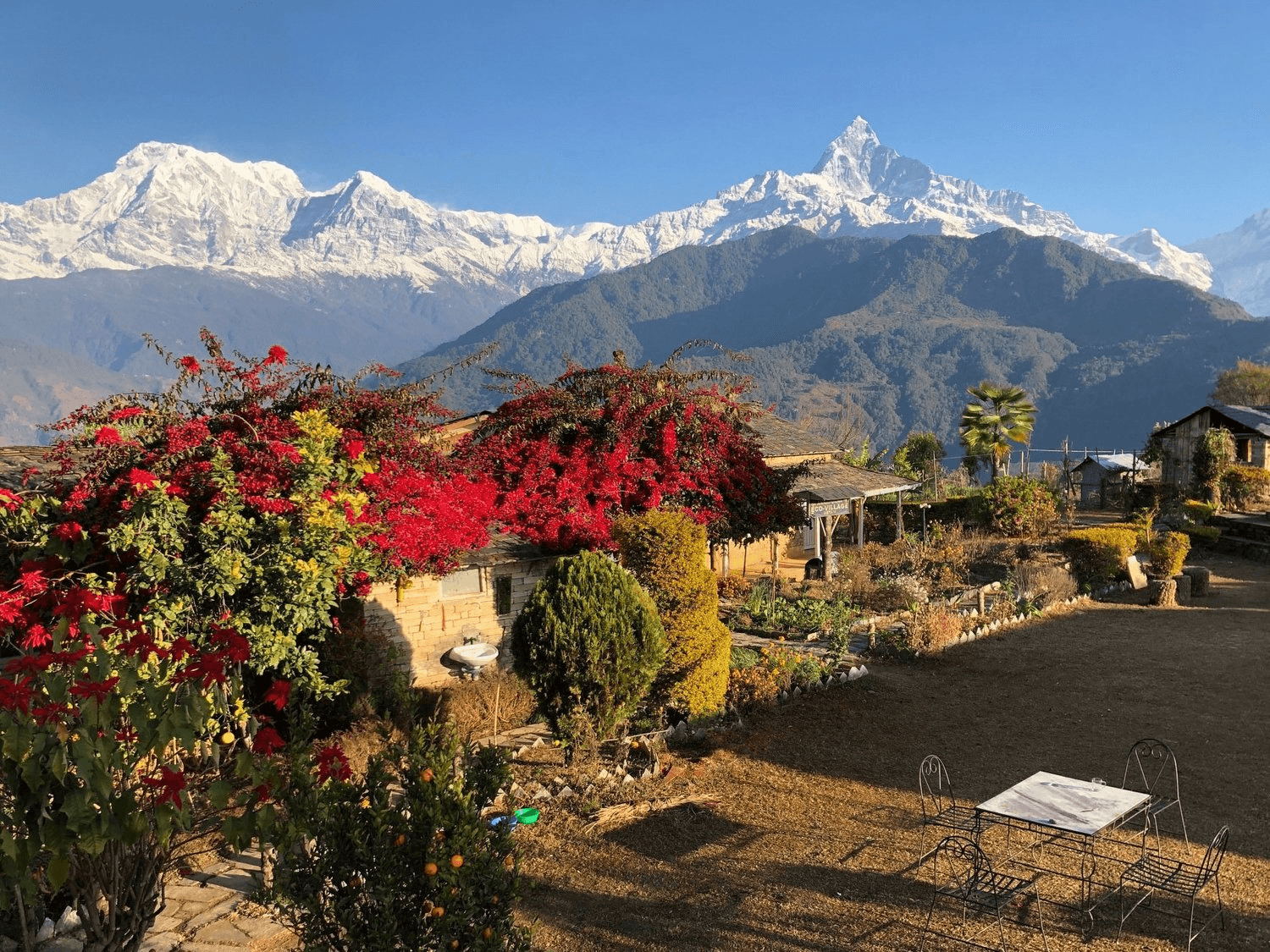
Enjoy warm temperatures and blooming rhododendron forests. The clearest mountain views typically occur in the morning hours with some afternoon clouds possible. A perfect balance of pleasant conditions and stunning scenery.
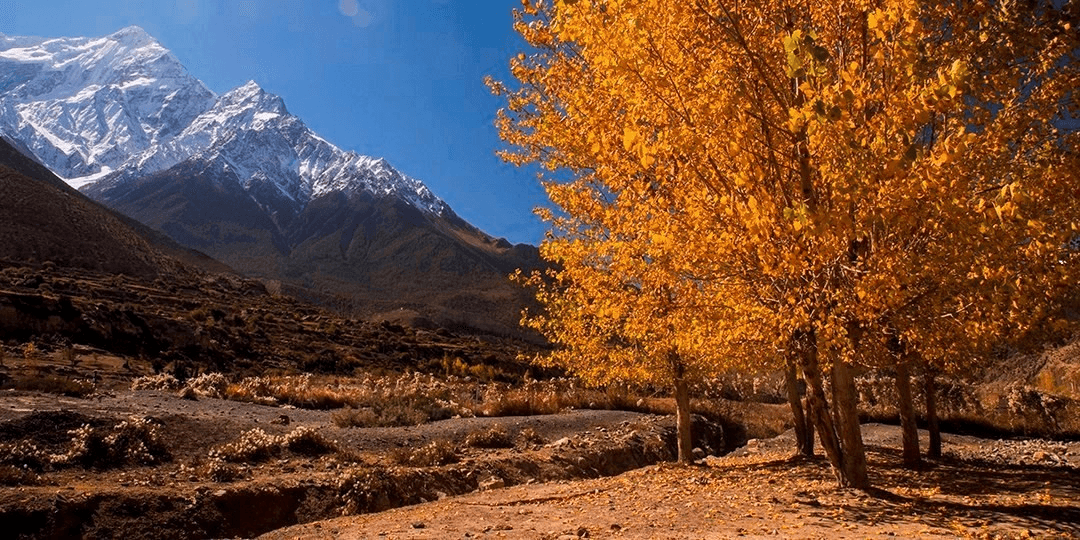
The most popular and reliable season with stable weather, crystal-clear skies, and breathtaking panoramas. Temperatures are moderate with crisp mornings and evenings, and trails are typically less muddy than spring.
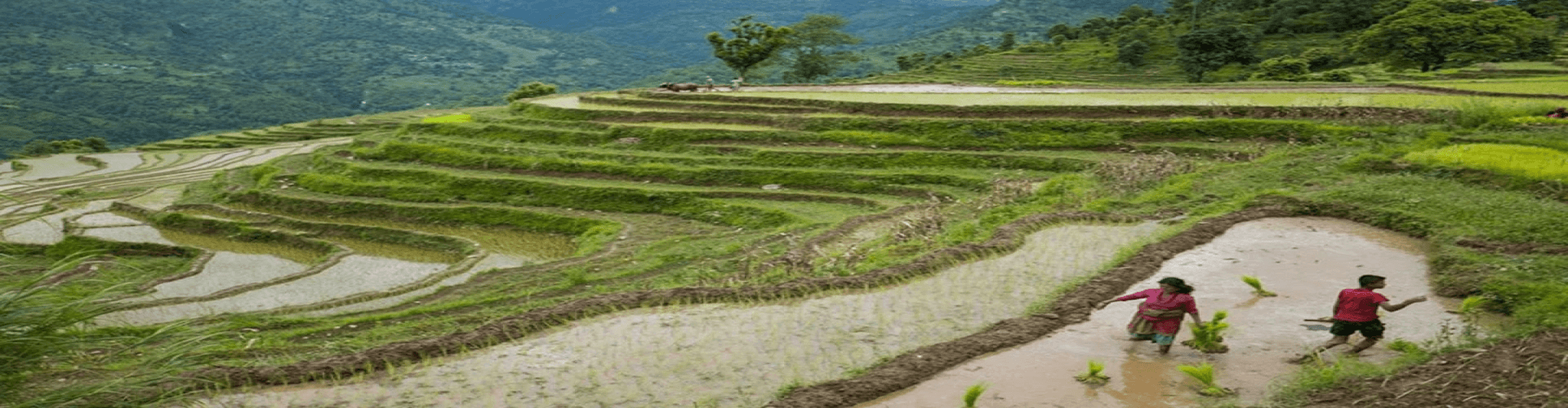
The monsoon season (June–August) brings heavy rainfall, muddy trails, and limited visibility. Winter (December–February) offers clear skies but extreme cold and potential snow closures at high passes. Both seasons present significant challenges and are recommended only for experienced trekkers.
Be prepared for your Himalayan adventure
We provide a comprehensive gear list with your booking confirmation. Many items can be rented in Kathmandu at reasonable prices if you prefer not to purchase specialized equipment for a single trek.
Everything you need to know before your journey
Hear from our trekkers
November 13, 2017
Excellent Trip and Great Company. I came to the High Spirit office to ask for the porter and they organized the whole Annapurna Trek within two hour i could start the next morning 6.30am. My guide and porter Mr. Chandra was very good,he took care about everything and i had i tough and brilliant 12…
October 12, 2016
Wonderful environment extend your boundaries, good atmosphere, fantastic view, wonderful porter and guide!!!! We miss the mountains,clean weather, cold lemon, plain Noodles soup, the blister, good hot pizza. Preparing yourself for next year Annapurna Circuit Trek thanks for help! lots of love
September 16, 2015
Wonderful environment, extend your boundaries, good atmosphere, fantastic view, cozy, wonderful porter and guide. We miss the mountain, the clear air, cold lemon, plain noodle soup, the,Preparing ourselves for next year Annapurna circuit. Thanks for help, Lots of love ,
October 8, 2014
Great Company. Very nice guide! very nice Porter! and great company highly recommend High Spirit Treks!!!!!!!!!!
The Annapurna Base Camp Trek experience is an extraordinary journey into the heart of the Annapurna Sanctuary, a natural amphitheater surrounded by a stunning cirque of towering peaks. This iconic trek, a jewel of Nepal Trekking, invites adventurers worldwide to witness the breathtaking beauty of the Annapurna massif, including Annapurna I (the world's 10th highest peak), the iconic Machapuchare (Fishtail), Annapurna South, and Hiunchuli. If you're contemplating Trekking in Nepal, the Annapurna Base Camp route offers a captivating and deeply rewarding adventure through diverse landscapes and rich Gurung and Magar cultures.
For many, the Annapurna Base Camp Trek is a dream adventure. The allure lies in its incredible diversity: from lush subtropical rhododendron and bamboo forests and charming traditional Gurung and Magar villages to dramatic alpine terrain. The panoramic views of giants like Annapurna I, Machapuchare, Annapurna South, and Hiunchuli are truly awe-inspiring. This is Trekking in Nepal at its most visually stunning, offering a profound sense of accomplishment and a deep connection with nature, often considered moderately challenging yet accessible to a wide range of trekkers.
Beyond the magnificent scenery, the trek provides a unique cultural immersion. The Annapurna region is predominantly inhabited by the Gurung and Magar people, known for their warm hospitality and rich traditions. Passing through picturesque villages, terraced farmlands, and visiting local monasteries adds a vibrant cultural dimension to your Nepal Trekking adventure. You'll experience a way of life harmoniously intertwined with the mountains, a truly enriching experience.
While itineraries can vary, a classic Annapurna Base Camp Trek adventure typically spans 7 to 12 days. The journey usually begins with a scenic drive or flight from Kathmandu to Pokhara, followed by a shorter drive to the trek starting point like Nayapul or Ghandruk. Acclimatization is naturally integrated with the gradual ascent, though specific rest days might be less common than on higher altitude treks, the principle of "climb high, sleep low" where possible is always beneficial.
Typical Itinerary Breakdown for Annapurna Base Camp Trek (Approx. 10 Days):
| Day | Route | Approx. Distance | Approx. Time | Altitude (m/ft) |
|---|---|---|---|---|
| 1 | Drive Pokhara to Nayapul, Trek to Ghandruk | ~9 km trek | 4-5 hrs | 1,940m / 6,364ft (Ghandruk) |
| 2 | Ghandruk to Chhomrong | ~10 km | 5-6 hrs | 2,170m / 7,119ft |
| 3 | Chhomrong to Bamboo/Dovan | ~10 km | 5-7 hrs | 2,310m (Bamboo) / 2,600m (Dovan) |
| 4 | Bamboo/Dovan to Deurali | ~7-9 km | 4-5 hrs | 3,230m / 10,597ft |
| 5 | Deurali to Machapuchare Base Camp (MBC), then to Annapurna Base Camp (ABC) | ~8 km | 4-5 hrs | 3,700m (MBC), 4,130m / 13,549ft (ABC) |
| 6 | Annapurna Base Camp to Bamboo | ~15 km | 6-7 hrs | 2,310m / 7,578ft |
| 7 | Bamboo to Jhinu Danda (Hot Springs) | ~9 km | 5-6 hrs | 1,780m / 5,839ft |
| 8 | Jhinu Danda to Nayapul, Drive to Pokhara | ~12 km trek | 5-6 hrs trek; ~1.5 hr drive | 820m / 2,690ft (Pokhara) |
| 9 | Pokhara (Rest day or explore) | N/A | N/A | 820m / 2,690ft |
| 10 | Drive/Fly Pokhara to Kathmandu | N/A | ~6-8 hrs drive / ~25 mins flight | 1,400m (Kathmandu) |
Note: This is a sample itinerary for Annapurna Base Camp Trek. Actual walking times and stops can vary based on individual fitness, weather conditions, chosen route variations (e.g., via Poon Hill), and acclimatization needs.
While the maximum altitude of the Annapurna Base Camp Trek (4,130m) is lower than some other major treks in Nepal, proper acclimatization is still crucial for safety and enjoyment. Altitude sickness can affect anyone. Key strategies include:
The Annapurna Base Camp Trek is generally considered a moderate to strenuous trek. No technical climbing skills are required, but a good level of physical fitness is essential. You'll be walking for 5-7 hours daily on varied terrain, including steep stone staircases (notably around Ulleri if taking that route, and between Chhomrong and Sinuwa), and significant ascents and descents. The total distance is approximately 110-115 km.
To prepare for Trekking in Nepal, particularly the Annapurna Base Camp route, focus on:
Start your training at least 2-3 months before your Annapurna Base Camp Trek. Consulting your doctor before starting any new training or the trek itself is always advisable.
The best seasons for the Annapurna Base Camp Trek are Spring (pre-monsoon) and Autumn (post-monsoon).
| Season | Months | Pros | Cons |
|---|---|---|---|
| Spring (Pre-Monsoon) | March - May | Moderate temperatures; vibrant rhododendron forests in bloom (especially April); good mountain views. | Can get hazy in late spring; trails can be busy. |
| Autumn (Post-Monsoon) | September - November | Excellent visibility, clear skies; pleasant daytime temperatures; considered peak Trekking in Nepal season. | Can be very busy; colder nights at higher altitudes as winter approaches. |
| Winter | December - February | Very clear skies; fewer crowds. | Cold, especially at higher altitudes; snow can block trails to ABC. Shorter daylight hours. |
| Monsoon | June - August | Lush green scenery; fewer trekkers. | Heavy rain, leeches, slippery trails, obscured views. Not generally recommended for Annapurna Base Camp Trek. |
Packing wisely is crucial for a comfortable Annapurna Base Camp Trek. Layering is key to adapt to the wide range of temperatures. Essential items include:
Clothing:
Footwear:
Headwear & Handwear:
Trekking Gear & Essentials:
Personal Items & First Aid:
Renting gear like sleeping bags and down jackets is possible in Pokhara or Kathmandu.
To undertake the Annapurna Base Camp Trek, you will need two main permits. These are essential for legal entry into the Annapurna Conservation Area and help fund conservation and local community initiatives.
| Permit Name | Where to Obtain | Approx. Cost (Foreigners, as of early 2025) | Approx. Cost (SAARC Nationals) |
|---|---|---|---|
| Annapurna Conservation Area Permit (ACAP) | Nepal Tourism Board (Kathmandu or Pokhara), or check if available at trek entry points (can be more expensive on trail) | NPR 3,000 (approx. USD 23-30) | NPR 1,000 (approx. USD 8-10) |
| Trekkers' Information Management System (TIMS) Card | Nepal Tourism Board (Kathmandu or Pokhara), TAAN offices, or registered trekking agencies | USD 20 (for Free Independent Trekkers - Green card) / USD 10 per person (for group trekkers with an agency - Blue card) | Same as foreigners (often included in agency packages for SAARC groups) |
Carry your passport and passport-sized photos for permits. If Trekking in Nepal with an agency, they usually arrange these. Permit fees can change, so verify current costs.
While it's possible to do the Annapurna Base Camp Trek independently, hiring a local, licensed guide and/or porter is highly recommended for:
Ensure your guide is licensed and staff are insured. Discuss wages and tipping etiquette beforehand.
Accommodation along the Annapurna Base Camp Trek route is in teahouses (local lodges). These offer basic but usually comfortable twin-sharing rooms and a communal dining area with a stove for warmth in the evenings.
Menus offer a variety of Nepali (Dal Bhat is a trekker's staple – nutritious and often with refills) and Western-influenced dishes like noodles, pasta, potatoes, eggs, porridge, and pancakes. Choices become simpler and prices increase with altitude.
Facilities are basic: shared toilets are standard. Hot showers are often available for an extra charge (NPR 200-500). Wi-Fi and device charging also usually incur a fee, with reliability decreasing at higher points of the Annapurna Base Camp Trek.
| Item | Lower Altitudes (e.g., Ghandruk) | Mid Altitudes (e.g., Chhomrong, Bamboo) | Higher Altitudes (e.g., Deurali, ABC) |
|---|---|---|---|
| Dal Bhat | NPR 500-700 | NPR 600-800 | NPR 700-1000+ |
| Noodles/Pasta | NPR 400-600 | NPR 500-700 | NPR 600-900+ |
| Breakfast (e.g., eggs, toast, porridge) | NPR 400-600 | NPR 500-700 | NPR 600-800+ |
| 1L Bottled Water | NPR 80-150 | NPR 150-250 | NPR 200-400+ |
| Cup of Tea/Coffee | NPR 100-200 | NPR 150-250 | NPR 200-350+ |
Using water purification for tap water is more economical and eco-friendly for your Nepal Trekking trip.
The cost of an Annapurna Base Camp Trek varies based on trek style (independent vs. guided), duration, services, and spending habits. Budget anywhere from $600 to $2000+ per person.
| Cost Component | Estimated Range (USD per person) | Notes |
|---|---|---|
| Permits (ACAP & TIMS) | $45 - $50 | Approx. NPR 3000 (ACAP) + USD 20 (TIMS for FIT) |
| Transport (KTM-Pokhara-KTM & local to trek start/end) | $50 - $250 | Tourist bus to private car/flight |
| Accommodation on Trek (Teahouses) | $5 - $15 per night | Average $70-$150 for 10 nights |
| Food & Drinks on Trek | $20 - $40 per day | Average $200-$400 for 10 days |
| Guide Fees (if hired) | $25 - $35 per day | Shared among group |
| Porter Fees (if hired) | $20 - $25 per day | One porter for two trekkers usually |
| Travel Insurance (Essential) | $100 - $250 | Must cover high-altitude trekking & helicopter evacuation |
| Nepal Visa Fee | $30 (15 days), $50 (30 days) | Varies by duration |
| Personal Trekking Gear (purchase/rental) | $50 - $500+ | Depends if renting or buying |
| Tips for Guide & Porter | 10-15% of their total wages | Customary for good service |
| Miscellaneous (showers, charging, snacks, souvenirs) | $50 - $200+ | Personal spending |
Independent trekkers might spend on the lower end, while all-inclusive packages for the Annapurna Base Camp Trek will be higher.
Travel insurance is absolutely essential for the Annapurna Base Camp Trek and any high-altitude Trekking in Nepal. Your policy MUST specifically cover:
Read your policy carefully. Keep copies with you and at home.
The Annapurna region, setting for the Annapurna Base Camp Trek, is predominantly home to the Gurung and Magar ethnic groups, who have rich cultures and a deep connection to the mountains. Showing respect enhances your experience:
The Annapurna Conservation Area is a biodiversity hotspot. Adhering to Leave No Trace principles is vital for a sustainable Annapurna Base Camp Trek.
The Annapurna Base Camp Trek is an unforgettable adventure, offering a spectacular journey into a mountain sanctuary. It combines breathtaking Himalayan scenery with rich cultural encounters. Whether you are an experienced trekker or a well-prepared novice, this iconic Trekking in Nepal experience offers a rewarding challenge and memories to last a lifetime. Start planning your journey to the Annapurna Base Camp today!