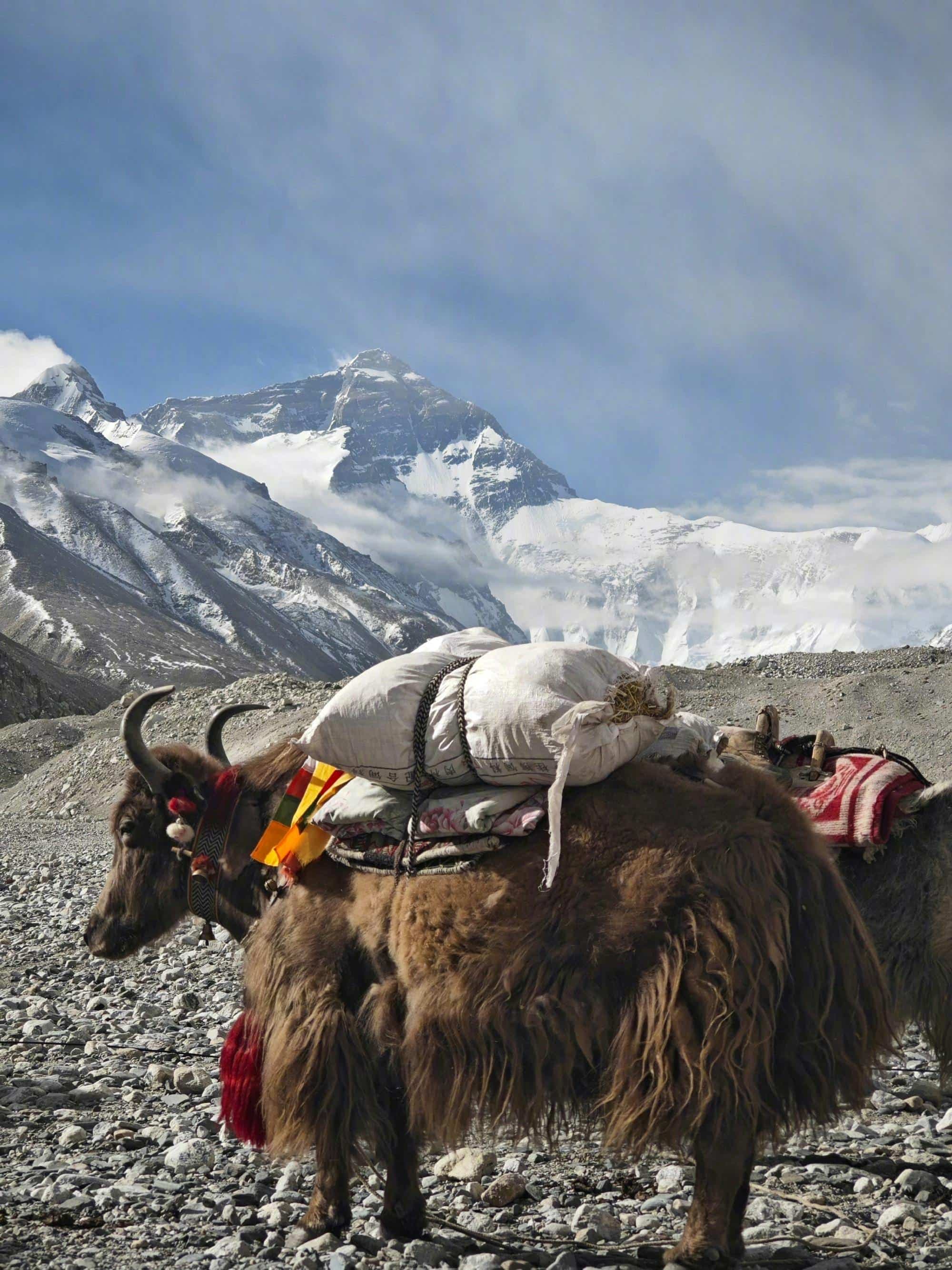
An epic journey to the foot of the world's highest mountain, through Sherpa villages, monasteries, and breathtaking Himalayan landscapes.
Group and private trek available
A challenging and rewarding trek through the Himalayas...
Read MoreNow at Everest Base Camp [5:08 AM NST]
There are two ways to book this trek. One is to book directly through the booking form on the left sidebarbottom of this page and the other is to book through our WeTravel page.
The journey of a lifetime to the base of the world's highest peak
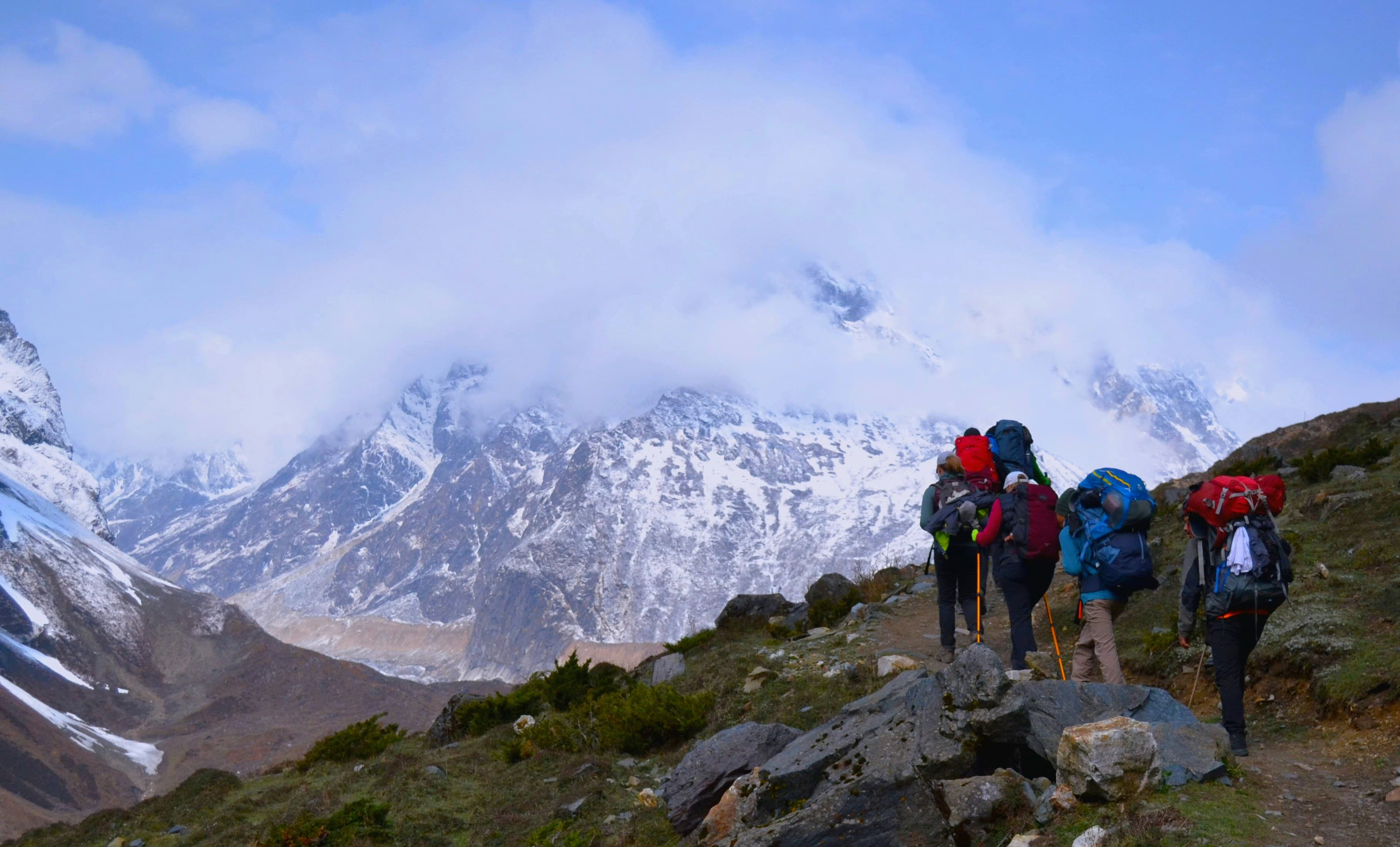
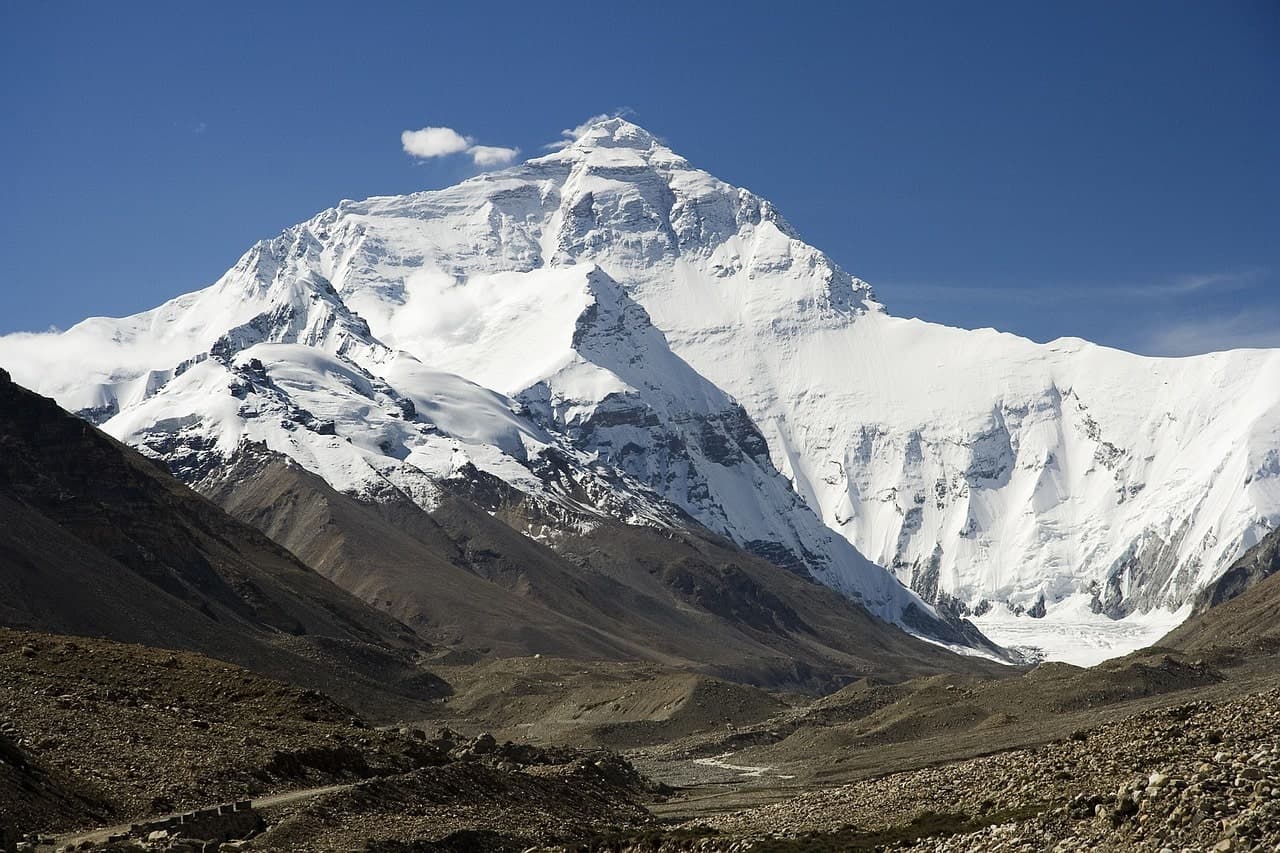
The most popular trekking destination in the world, Everest Base Camp Trek is known for the diverse scenarios of eastern Himalayas around Mt. Everest and the exploration of Sherpa cultural upland. It is a trek through the Khumbu region, which is a desirous and enticing trip. The lofty peak, Mt. Everest, and its surrounding panoramas draw trekkers from different parts of the world to discover the hidden valleys, mountains, and natural diversities of the Sagarmatha National Park.
We fly to Lukla 2860 meters (9,382 feet) with spectacular views of the mountains to start our Everest panorama trekking. Beginning from Lukla, through the trail upward to Dudh Koshi River, leads the Everest Base Camp trekkers to the Sherpa capital, which is also known as the Khumbu region via Jorsalle. Namche Bazaar is a place of the contact zone, suitable for acclimatization and hiking around Khumjung.
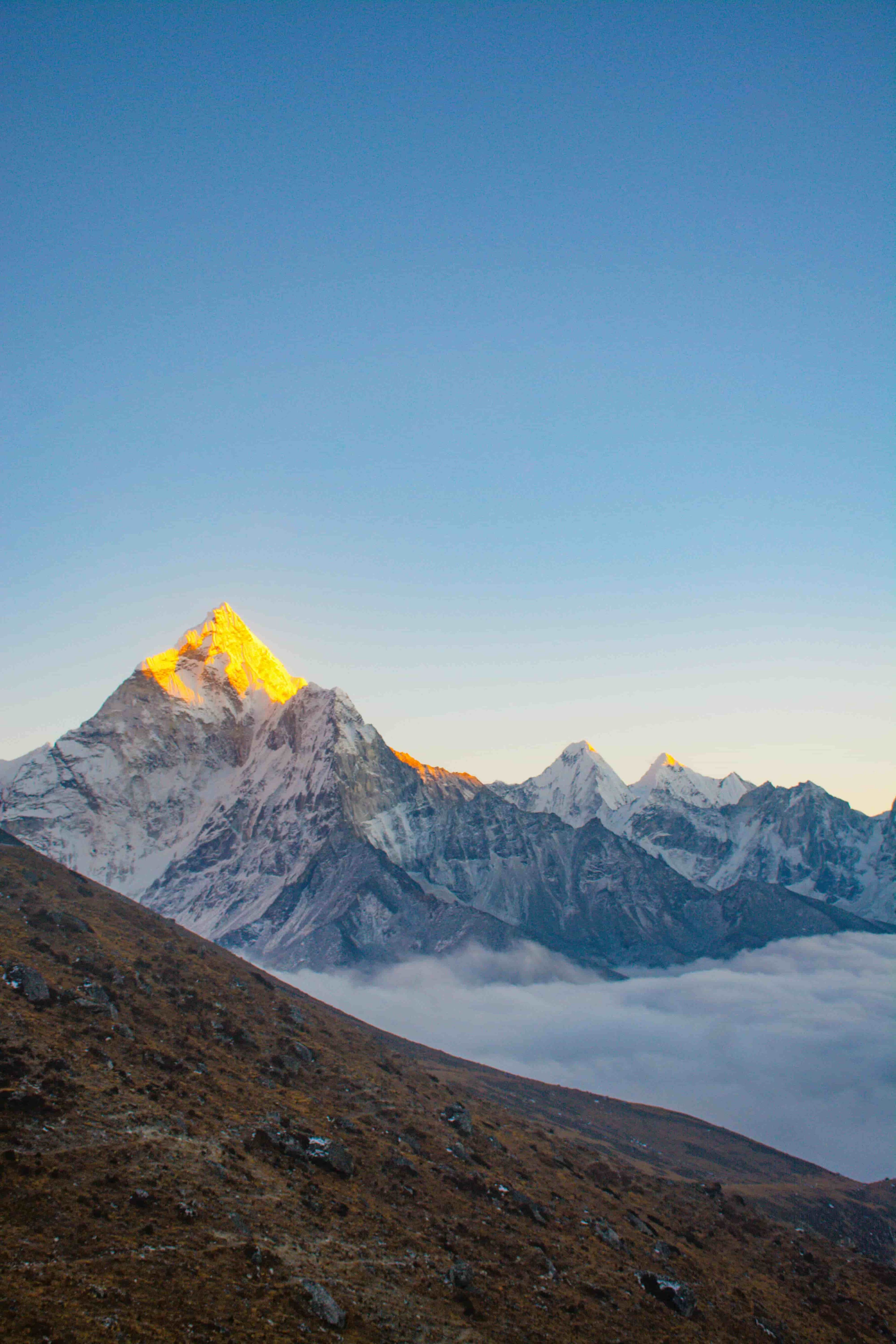
We hike to Tengboche Monastery, the most famous in the Everest region, via the different route of Monla, Phortse, to witness Mt. Cho Oyu and Pangboche village to explore the oldest monastery in the whole Everest region. Tengboche is rewarded with the views of Everest soaring behind Lhotse, Nuptse, Ama Dablam, Kangtega, Tawache on the southeast. Trekking through the northeast ridge, it brings you to Tengboche through the Juniper and rhododendron forest. The monastery is nicely protected, and Mani Rimdu is the renowned festival celebrated in this place on the full moon around October and November. It is then the gradual climb through the glacial moraine and cliffs-prevailed trail.
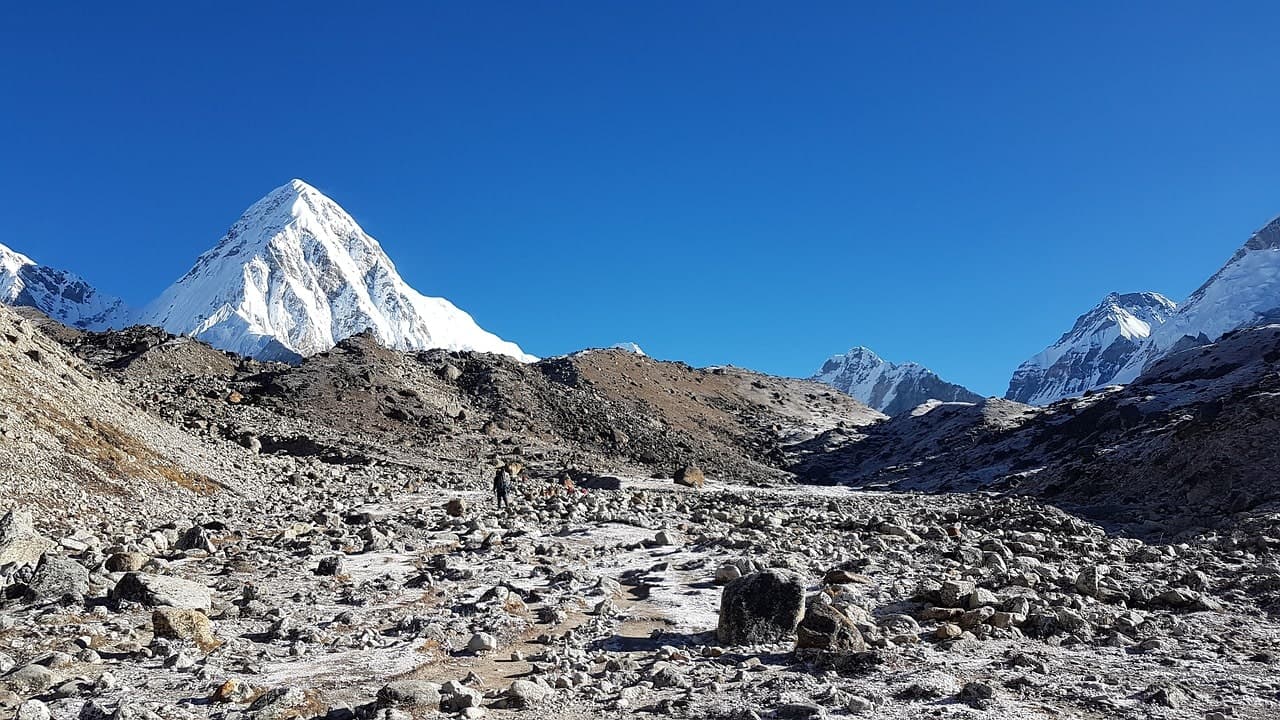
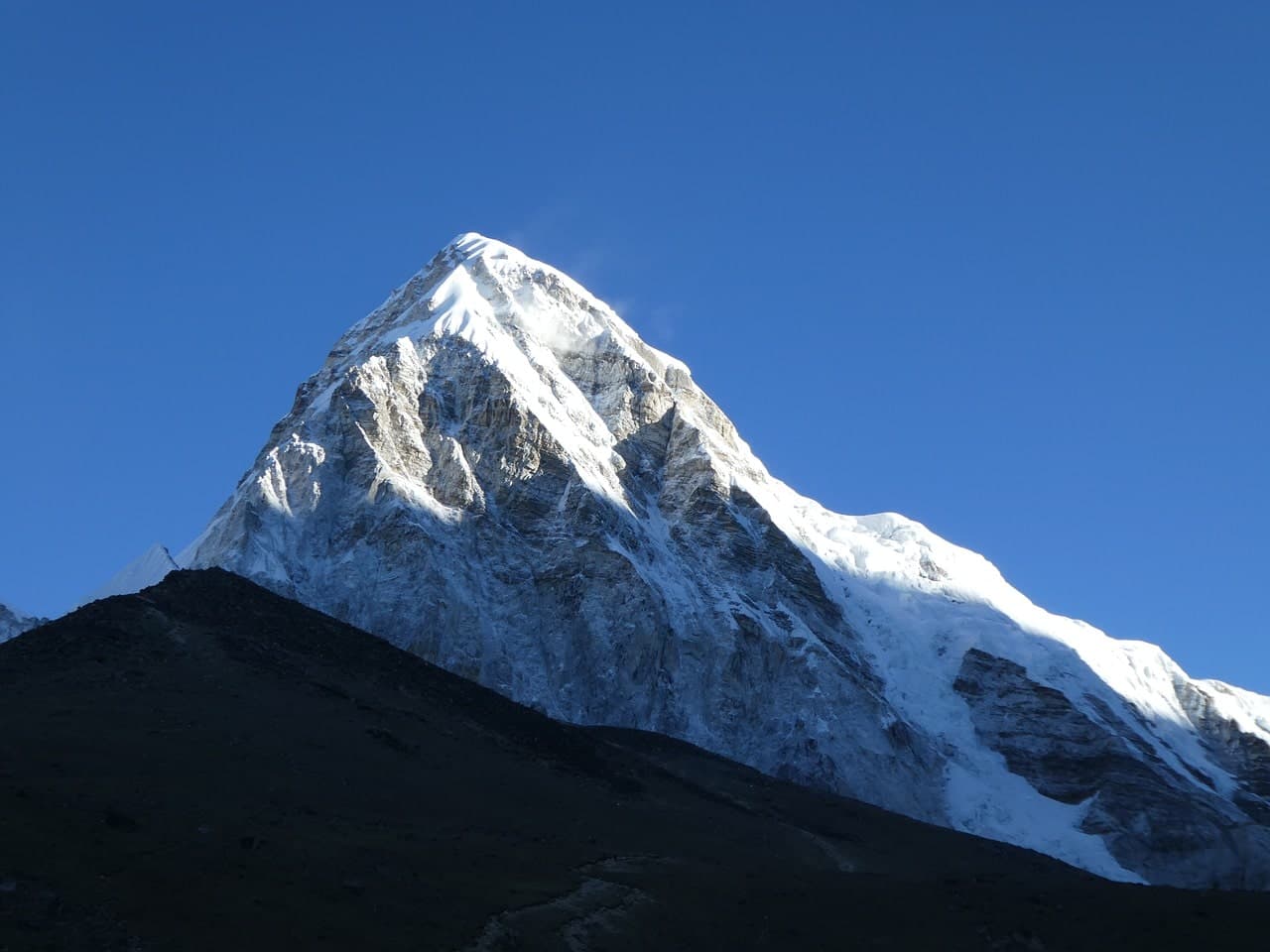
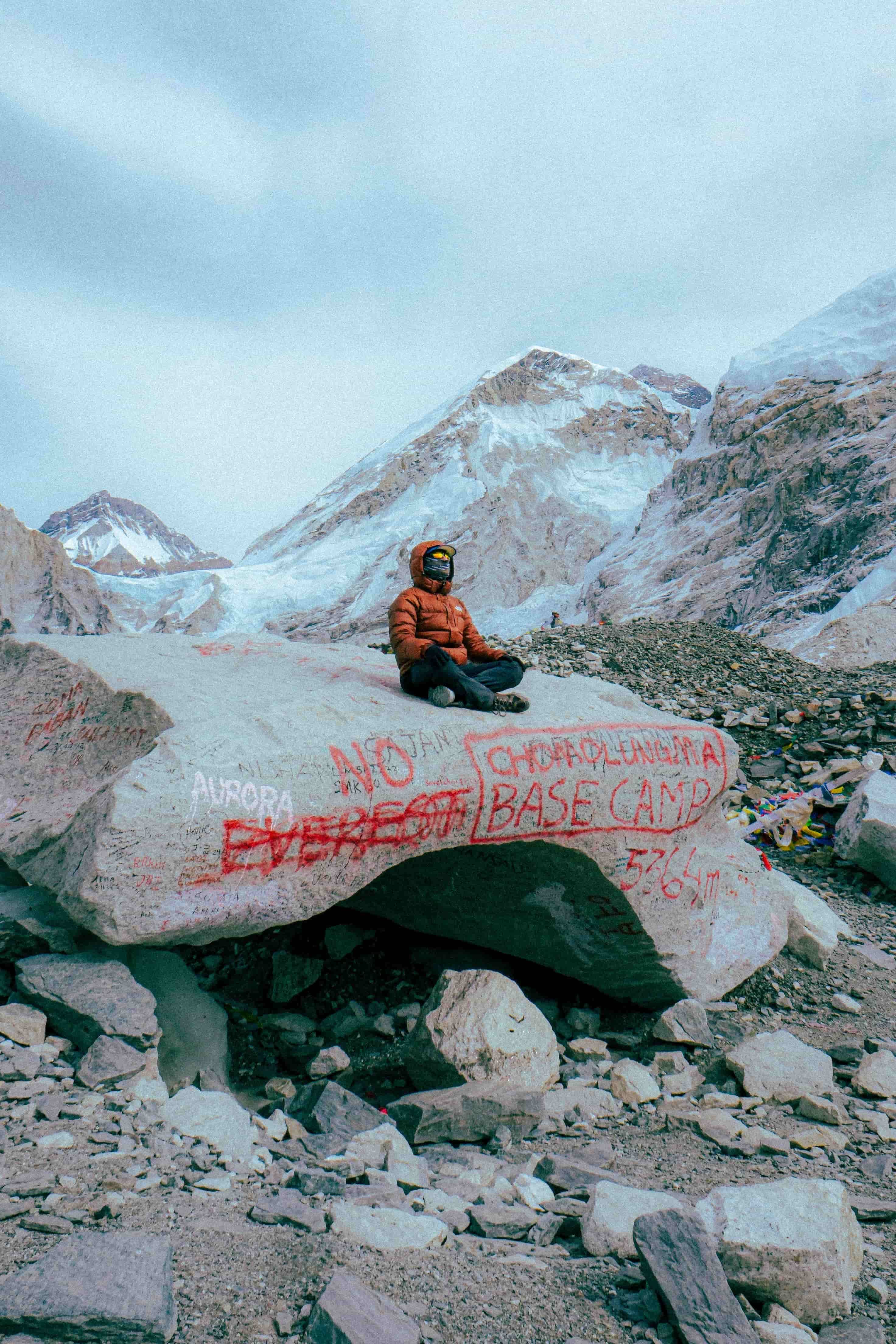
The Everest Base Camp is a hike from Gorakshep, which is the lap of the world's highest peak—Everest. Hundreds of climbers stay with camping in the Everest climbing season in this place. Another spectacular hiking from Gorakshep to Kalapatthar offers the breathtaking views of Mt. Ama Dablam, Lhotse, Nuptse, and Pumori. It is all the way down to Lukla and ends the trip.
The journey of a lifetime to the base of the world's highest peak
Trek to the world-famous Everest Base Camp
Enjoy the amazing view of the Himalayas from Kala Patthar
Travel through the Sherpa villages of Namche, Khumjung, Khunde, and Dingboche
Visit Tengboche the biggest and oldest monastery in the region.
Experience the unique culture and hospitality of the Sherpa people.
Witness stunning sunrise and sunset views over the Himalayan range.
Explore Sagarmatha National Park, a UNESCO World Heritage Site.
Cross iconic suspension bridges, including the Hillary Suspension Bridge.
Acclimatize in Namche Bazaar, the bustling Sherpa trade hub.
A day-by-day plan of your Everest adventure
Enquire to customize your itinerary
Transparent pricing with no hidden fees
The best time to trek Everest Base Camp
Check availability to see if your preferred date is available.
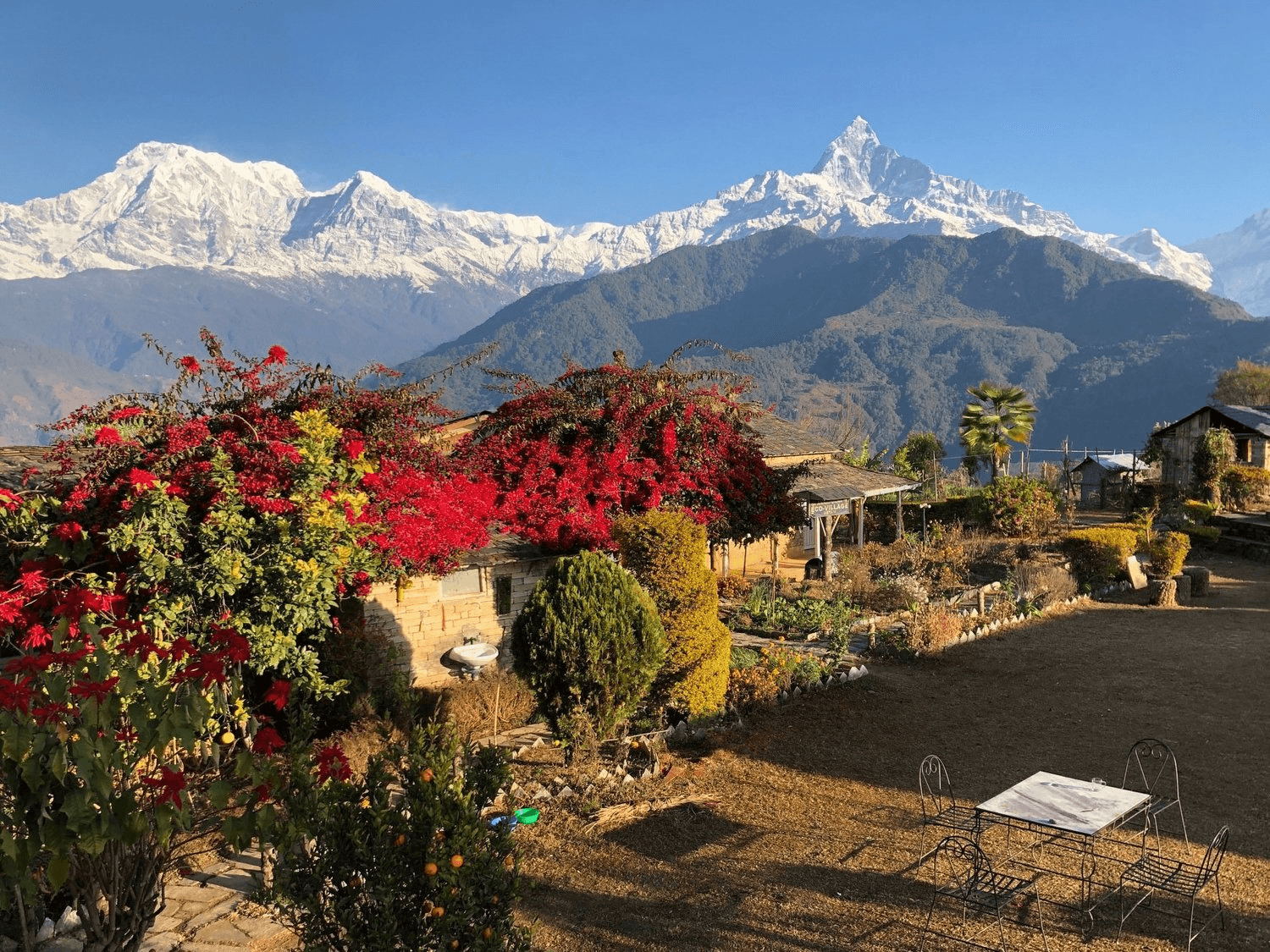
Enjoy warm temperatures and blooming rhododendron forests. The clearest mountain views typically occur in the morning hours with some afternoon clouds possible. A perfect balance of pleasant conditions and stunning scenery.
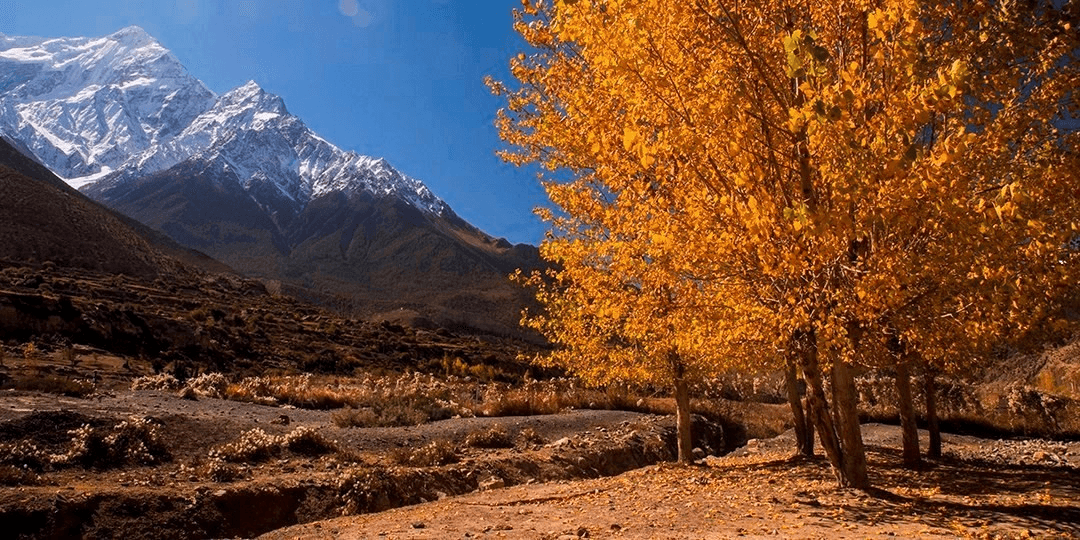
The most popular and reliable season with stable weather, crystal-clear skies, and breathtaking panoramas. Temperatures are moderate with crisp mornings and evenings, and trails are typically less muddy than spring.
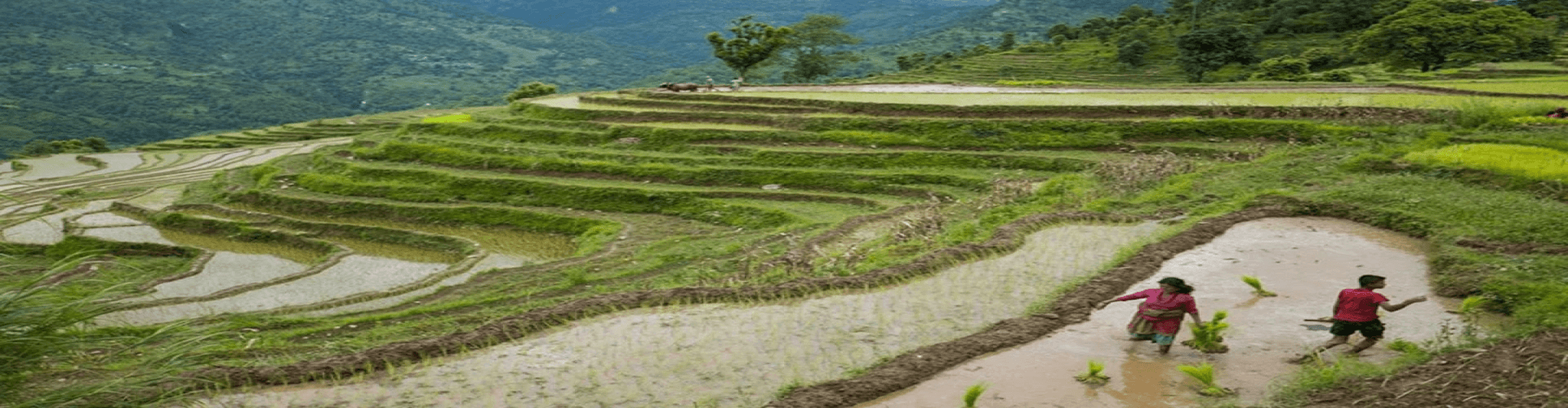
The monsoon season (June–August) brings heavy rainfall, muddy trails, and limited visibility. Winter (December–February) offers clear skies but extreme cold and potential snow closures at high passes. Both seasons present significant challenges and are recommended only for experienced trekkers.
Be prepared for your Himalayan adventure
We provide a comprehensive gear list with your booking confirmation. Many items can be rented in Kathmandu at reasonable prices if you prefer not to purchase specialized equipment for a single trek.
Everything you need to know before your journey
Hear from our trekkers
December 20, 2025
Just got back from the trek and still pinching mysef. Our guide, Pasang, was incredible - so patient when I struggled with the altitude. We had one snow shower which made the whole place feel magical. Food was hearty but sometimes a bit greasy. Loved every minute!
November 10, 2025
Amazing experence - the trail was toughter than I expected. Our group got delayed by rain and slippery rocks, but the local porters were incredibly helpful. The dal bhat at the teahouses felt a bit repetitive.
October 15, 2025
Did the Everest Base Camp trek with my brother last fall. Weather was unpredictable and we had to wait a day in Namche Bazaar, but the team was awesome - they brought us hot tea and blankets. It was challening, but seeing Everest at sunrise made it unforgettable. Would definatly go again!
September 18, 2025
Trekking in autumn was perfect - the crisp air and clear skies are a dream. I did struggle a bit with the cold evenings, but the teahouses were cozy. Highly recommend this time of year!
August 4, 2025
August rain caught us off guard, but the green valleys were stunning. The team provided good rain gear and hot tea to keep us going.
July 7, 2025
July trek was sunny and dry. The hot days made the teahouse iced drinks feel like heaven. Our guide pointed out hidden waterfalls en route.
June 21, 2025
A summer trek in June was unexpected but perfect. The trail was busy but never felt crowded. Weather was warm, and the rhododendron blooms were amazing.
May 15, 2025
The spring flowers on the trail were stunning. Our guide, Dorjee, took us on a little detour to a hidden viewpoint that blew my mind. Food portions were generous but sometimes too heavy after a long day.
April 22, 2025
Had a great time even after losing my sunglases in Namche Bazaar, it was still worth every step! The views from Kala Patthar at sunrise are indescribable. Our guide was friendly and supportive every step of the way.
March 8, 2025
March trek was a bit chilly but the mountain views made it worth it. Our group gelled quickly and we shared lots of laughs around the dinner table. Guide made sure we took plenty of breaks.
February 14, 2025
Took the trek on Valentine's Day and it was unforgettable. The snow-dusted peaks looked romantic under the pink sunrise. The guides arranged a special chai session which felt like a cozy celebration.
January 5, 2025
Just wrapped up the trek in early January and wow, what a start to my year! The views were crisp and clear, and our guide was super helpful with pacing. Food at the lodges was hearty and warming after the cold mornings.
December 25, 2024
Christmas trek was magical with teas at the lodges decorated with lights. The snowfall made the whole place look like a winter wonderland.
November 11, 2024
November trek had crisp mornings and clear skies. Our group had to cross a swollen river, but everyone was safe. Food was consistently good.
October 30, 2024
October trek was chilly but magical with all the autumn colours. A few days it rained, which made the trail slippery but we stayed safe. Hot chai at the lodges really hit the spot.
September 30, 2024
End of September in 2024 was dreamy - the autumn leaves painted the valleys red and gold. Guide arranged a cultural dance show in a village which was a fun surprise.
September 12, 2024
Loved the monastery visit in Tengboche, it felt so serene. We had fog roll in unexpectedly, but it gave the mountains a mysterious vibe. Guides were super helpful.
June 1, 2024
June trek surprised me with blooming wildflowers everywhere. Guide gave me extra layers for the chilly mornings.
May 30, 2024
Absolutely loved every moment of the trek. The views were out of this world, and our guide, Lhakpa, kept us motivated the whole time. We got a bit tired on the steeper parts, but it was totally worth it. The food was okay—maybe a bit bland sometimes, but it filled us up well.
May 8, 2024
Spring trek was lovely, though the higher camps felt a bit crowded. The food variety improved as we climbed higher. The Sherpa team was amazing and always looked after us.
March 25, 2024
The guides were patient with our slow group and always had a funny story to tell. We had some snow on the trail which was unexpected for March. Loved the community spirit!
March 18, 2024
March trek had a few rain showers, but the fresh mountain air was invigorating. We saw yaks grazing on the slopes which was a highlight.
February 10, 2024
Winter trek in February was challenging but the blanketed snow felt serene. Guides lit up the path with lanterns which was super helpful after dark.
January 3, 2024
Started the year with this trek, what an adventure! It was super cold but the lodges provided warm blankets. Meals were filling but occasionally a bit spicier than I expected.
December 2, 2023
December trek felt festive with locals celebrating a festival. The lodge hosts shared homemade sweets which was a nice touch.
October 8, 2023
October trek started under clear blue skies and ended with an epic sunset view from Kala Patthar. Guide told us fascinating stories about Sherpa culture.
July 22, 2023
July 2023 trek had moderate weather. We bonded well as a group and cheered each other on during the tougher climbs.
May 6, 2022
May 2022 trek felt different post-pandemic, fewer crowds and more personal attention from guides. Views were spectaculaar.
November 17, 2021
November 2021 trek was quiet, but the team made it fun with evening games at the teahouse. Loved the supportive atmosphere.
September 21, 2020
September 2020 trek was right before everything shut down. Felt lucky to make it. The trail was empty and peaceful.
July 14, 2019
July 2019 trek was perfect summer weather. Guide took us off-route to a glacier viewpoint that was mind-blowing.
January 1, 2018
We had an absolutely fabulous time. Our guide, Sitaram, was amazing - and I am not sure how he survived the crazy conversation and antics of our group! The food was delicious and we were never hungry. Definitely a trip everyone should take from high spirits trek.
December 29, 2017
Awesome, would never have expected the usefulness of having a guide. Guides (sitaram) really maximize your experience. I would recommend to everyone. Can't wait to do our next guided trekking and tour with sitaram basnet
August 18, 2017
This was my first high-altitude adventure. Our group helped each other a lot, and I'll never forget that sunrise at Everest Base Camp. Truly life-changing!
May 30, 2017
The journey from and back to Kathmandu was extremely long but the owner of the company, Shiva, made it wonderful, the best road trip of my life. Those views were breath taking. Once we arrived to the local villages everyone were there to welcoming us. The hospitality was indescribable.
October 24, 2014
Really exciting trip! We planned the rafting trip in last minute and still the agency prepared a excellent rafting experience at Trishuli river. The trip went as planned, nice, rapid and guide was very good. We were all first timers but learned all the techniques and had really a great experience.
The Everest Base Camp Trek experience is more than just a walk; it's a pilgrimage to the foot of the world's highest peak, Mount Everest (Sagarmatha in Nepali). This iconic trek, a highlight of Nepal Trekking, draws adventurers from across the globe, eager to witness the majesty of the Himalayas and immerse themselves in the unique Sherpa culture. If you're considering Trekking in Nepal, the Everest Base Camp route offers a challenging yet deeply rewarding adventure.
For many, Everest Base Camp Trek is a lifelong dream. The allure lies not just in the destination, but in the entire journey. You'll traverse through breathtaking landscapes, from lush rhododendron forests and traditional Sherpa villages to stark, beautiful alpine terrain. The views of towering peaks like Ama Dablam, Lhotse, Nuptse, and, of course, Everest itself, are simply unparalleled. This is Trekking in Nepal at its most iconic, offering a profound sense of accomplishment and a deep connection with nature.
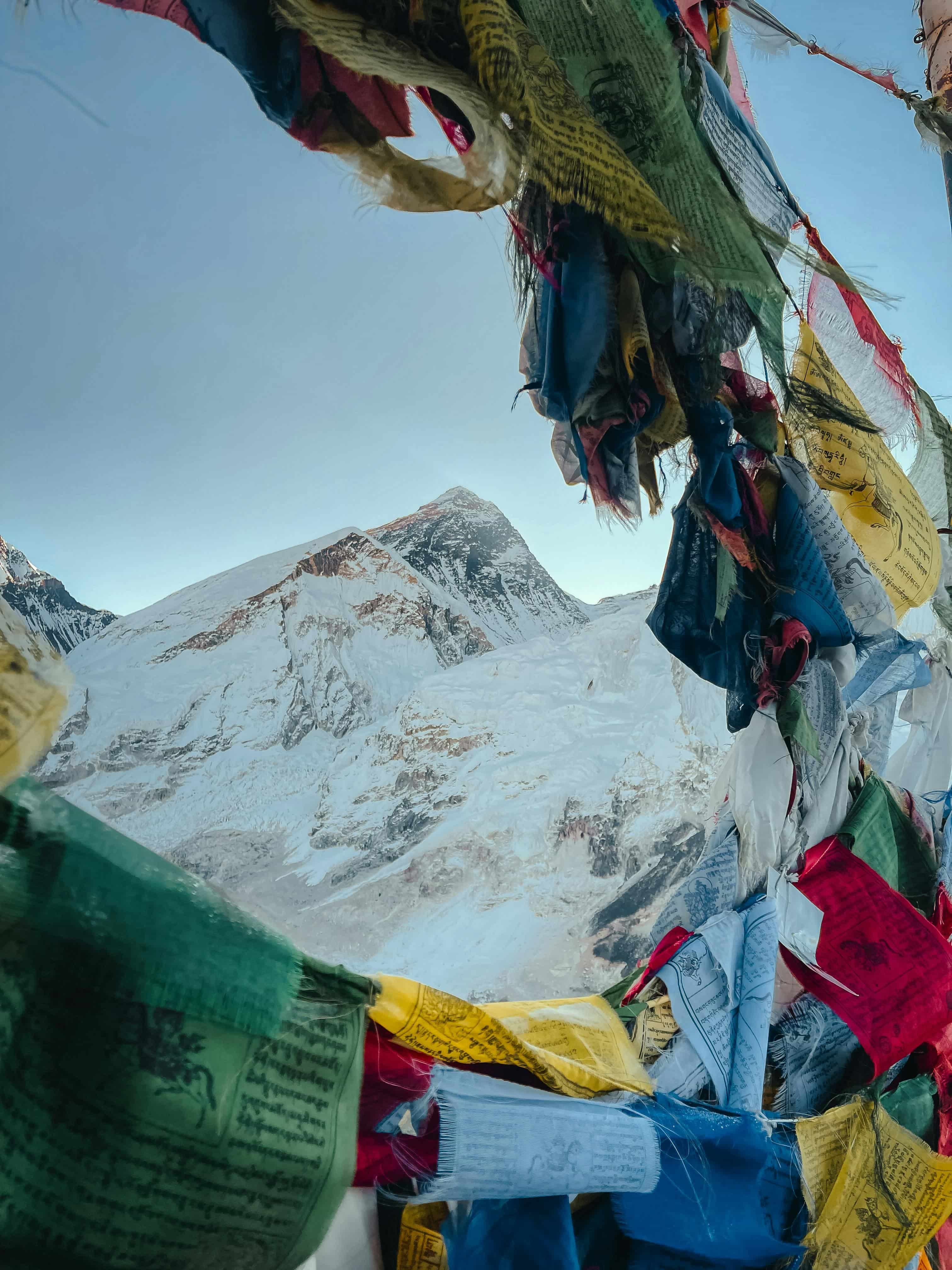
Beyond the visual spectacle, the trek provides a unique cultural insight. The Khumbu region is home to the resilient Sherpa people, renowned for their mountaineering prowess and warm hospitality. Visiting ancient monasteries like Tengboche, adorned with colourful prayer flags and intricate murals, adds a spiritual dimension to your Nepal Trekking adventure. You'll witness a way of life adapted to the harsh mountain environment, a truly humbling experience.
While itineraries can vary, a classic Everest Base Camp Trek adventure typically spans 12 to 16 days. The journey begins with an exhilarating flight from Kathmandu to Lukla. Acclimatization days, usually in Namche Bazaar and Dingboche, are vital for adjusting to the altitude.
Typical Itinerary Breakdown for Everest Base Camp Trek:
| Day | Route | Approx. Distance | Approx. Time | Altitude (m/ft) |
|---|---|---|---|---|
| 1 | Fly Kathmandu to Lukla, Trek to Phakding | ~8 km | 3-4 hrs | 2,860m (Lukla) to 2,610m (Phakding) |
| 2 | Phakding to Namche Bazaar | ~12 km | 5-7 hrs | 3,440m / 11,286ft |
| 3 | Acclimatization Day in Namche Bazaar (Hike to Everest View Hotel) | ~5 km (round trip) | 3-4 hrs | 3,880m (Hotel) |
| 4 | Namche Bazaar to Tengboche | ~10 km | 5-6 hrs | 3,860m / 12,664ft |
| 5 | Tengboche to Dingboche | ~11 km | 5-6 hrs | 4,410m / 14,468ft |
| 6 | Acclimatization Day in Dingboche (Hike to Nagarjun Hill or Chhukung Ri viewpoint) | Varies | 4-5 hrs | ~5,100m (Nagarjun) |
| 7 | Dingboche to Lobuche | ~8 km | 5-6 hrs | 4,940m / 16,207ft |
| 8 | Lobuche to Gorak Shep, then to Everest Base Camp | ~4.5 km (to Gorak Shep) + ~3.5 km (to EBC) | 3 hrs + 3 hrs | 5,164m (Gorak Shep), 5,364m / 17,598ft (EBC) |
| 9 | Hike Kala Patthar, then trek to Pheriche | ~2 km (Kala Patthar) + ~14 km (to Pheriche) | 3-4 hrs + 4-5 hrs | 5,545m / 18,192ft (Kala Patthar), 4,371m (Pheriche) |
| 10 | Pheriche to Namche Bazaar | ~15 km | 6-7 hrs | 3,440m / 11,286ft |
| 11 | Namche Bazaar to Lukla | ~19 km | 7-8 hrs | 2,860m / 9,383ft |
| 12 | Fly Lukla to Kathmandu | N/A | ~35 mins flight | 1,400m (Kathmandu) |
Note: This is a sample itinerary for Everest Base Camp Trek. Actual walking times can vary based on individual fitness, weather conditions, and acclimatization needs.
Proper acclimatization is the most critical factor for a safe and successful Everest Base Camp Trek experience. Altitude sickness can affect anyone, regardless of age or fitness level. Key strategies include:
Everest Base Camp Trek is considered a strenuous trek, primarily due to the high altitude. While no technical climbing skills are required, a good level of physical fitness is essential. You'll be walking for 5-8 hours daily, often on uneven terrain with significant ascents and descents.
To prepare for Trekking in Nepal, especially the EBC route, focus on:
Start your training at least 3-6 months before your Everest Base Camp Trek date. Consulting your doctor before starting any new training regimen or before the trek is always advisable, especially if you have pre-existing health conditions.
The best seasons for Everest Base Camp Trek are pre-monsoon (Spring: March to May) and post-monsoon (Autumn: September to November).
| Season | Months | Pros | Cons |
|---|---|---|---|
| Spring (Pre-Monsoon) | March - May | Milder temperatures; rhododendrons in bloom; good mountain views; Everest climbing season (active Base Camp). | Occasional haze in late spring; can be busy. |
| Autumn (Post-Monsoon) | September - November | Excellent visibility, clear blue skies; pleasant daytime temperatures; fresh air post-monsoon; considered premium Trekking in Nepal season. | Can be very busy (peak season); colder nights at high altitude. |
| Winter | December - February | Very clear skies; fewer crowds. | Extremely cold, especially at higher altitudes; some high passes may be snowbound. |
| Monsoon | June - August | Lush green scenery. | Heavy rain, leeches, obscured views; flight disruptions to Lukla common. Not generally recommended for Everest Base Camp Trek. |
Packing appropriately is key to a comfortable and safe Everest Base Camp Trek experience. Layering is essential to adapt to changing temperatures. Key items include:
Clothing:
Footwear:
Headwear & Handwear:
Trekking Gear & Essentials:
Personal Items & First Aid:
Renting some gear like sleeping bags, down jackets, and sometimes trekking poles is possible in Kathmandu or even Namche Bazaar, which can be a practical option for your Nepal Trekking trip. Always check the quality of rental gear.
To undertake the Everest Base Camp Trek, you will need two main permits. These are essential for legal entry and to support local conservation and community efforts.
| Permit Name | Where to Obtain | Approx. Cost (Foreigners, as of early 2025) | Approx. Cost (SAARC Nationals) |
|---|---|---|---|
| Khumbu Pasang Lhamu Rural Municipality Entrance Permit | Lukla or Monjo | NPR 2,000 per person | NPR 2,000 per person |
| Sagarmatha National Park Entry Permit | Nepal Tourism Board, Kathmandu or Monjo | NPR 3,000 per person (+13% VAT) | NPR 1,500 per person (+13% VAT) |
It's important to carry your passport and a few passport-sized photos for the permits. If you are Trekking in Nepal with an organized tour, your trekking agency will typically arrange these permits. Independent trekkers need to obtain them at the respective checkpoints. Permit fees can change, so it's good to verify current costs before your trek.
While it's possible to do the Everest Base Camp Trek independently (as a Free Independent Trekker - FIT), hiring a local, licensed guide and/or porter is highly recommended for several reasons:
When hiring, ensure your guide is licensed and both guide and porter are adequately insured. Discuss wages, responsibilities, and tipping etiquette beforehand.
Accommodation along the Everest Base Camp Trek route is primarily in teahouses. These are local lodges offering basic but usually comfortable rooms (often twin-sharing with basic beds and mattresses) and a communal dining area with a stove that's typically lit in the evenings, providing warmth and a social hub.
Menus typically offer a surprising variety of Nepali and Western-influenced dishes. Dal Bhat (lentil soup with rice and vegetable curry) is a staple, known for being nutritious, filling, and often offering free refills of rice and lentils. Other common items include noodles (Chow Mein, Thukpa - noodle soup), momos (dumplings), pasta, potatoes (fried, boiled, curried), eggs, porridge, pancakes, and Tibetan bread. As you ascend, the menu choices might become slightly more limited and prices increase due to the challenges of transporting goods.
Facilities are basic: shared toilets are common, and hot showers are often available for an extra charge (NPR 300-700, increasing with altitude). Wi-Fi is also available in many locations up to Gorak Shep, but it comes at a cost and reliability can vary, especially higher up. Charging electronic devices also usually incurs a fee.
| Item | Lower Altitudes (e.g., Lukla, Phakding) | Mid Altitudes (e.g., Namche, Tengboche) | Higher Altitudes (e.g., Lobuche, Gorak Shep) |
|---|---|---|---|
| Dal Bhat | NPR 500-700 | NPR 700-900 | NPR 800-1200+ |
| Noodles/Pasta | NPR 400-600 | NPR 600-800 | NPR 700-1000+ |
| Breakfast (e.g., eggs, toast, porridge) | NPR 400-700 | NPR 500-800 | NPR 600-900+ |
| 1L Bottled Water | NPR 100-150 | NPR 200-300 | NPR 300-500+ |
| Cup of Tea/Coffee | NPR 100-200 | NPR 150-300 | NPR 200-400+ |
Using water purification methods for tap water (where available and advised as safe to treat) is a more economical and environmentally friendly option than buying bottled water throughout your Nepal Trekking journey.
The cost of Everest Base Camp Trek can vary significantly based on several factors: whether you trek independently or with a local or international tour operator, the level of service and comfort, the duration of the trek, group size, and your personal spending habits. Generally, budget anywhere from $1200 to $5000 or more per person.
| Cost Component | Estimated Range (USD per person) | Notes |
|---|---|---|
| Permits (Sagarmatha NP & Khumbu Rural Municipality) | $40 - $50 | Approx. NPR 5,000 total |
| Flights (Kathmandu-Lukla-Kathmandu) | $380 - $450 | Can fluctuate; book in advance |
| Accommodation on Trek (Teahouses) | $5 - $30 per night | Basic rooms cheap, can be pricier for rooms with attached bath (rare) |
| Food & Drinks on Trek | $30 - $50 per day | Increases with altitude; average $400-$600 for 12 days |
| Guide Fees (if hired) | $25 - $35 per day | Shared among group members |
| Porter Fees (if hired) | $20 - $25 per day | One porter can often carry for two trekkers |
| Travel Insurance (Essential) | $100 - $300 | Must cover high-altitude trekking & helicopter evacuation |
| Nepal Visa Fee | $30 (15 days), $50 (30 days), $125 (90 days) | Varies by duration of stay |
| Personal Trekking Gear (purchase/rental) | $200 - $1000+ (purchase), $50-$200 (rental for key items) | Highly variable |
| Tips for Guide & Porter | 10-15% of their total wages (pooled) | Discretionary but customary for good service |
| Miscellaneous (hot showers, charging, snacks, souvenirs) | $100 - $300+ | Depends on personal spending |
Independent trekkers might spend less by managing their own logistics, while all-inclusive packages from operators will be higher but offer convenience and support. This makes Nepal Trekking accessible to various budgets.
Travel insurance is absolutely essential for Everest Base Camp Trek and any high-altitude Trekking in Nepal. It is not an area to cut costs. Your policy MUST specifically cover:
Read the policy details carefully before purchasing. Keep a copy of your insurance policy and emergency contact numbers with you at all times during the trek and leave a copy with someone at home.
The Khumbu region, the heartland of Everest Base Camp Trek, is home to the Sherpa people, who have a rich Buddhist culture and deep respect for the mountains, which they consider sacred. Showing respect for their traditions will enhance your experience:
Sagarmatha National Park is a UNESCO World Heritage site, and preserving its fragile alpine environment is crucial. Adhering to Leave No Trace principles is vital for sustainable Everest Base Camp Trek.
Everest Base Camp Trek is an adventure of a lifetime, a journey that challenges you physically and rewards you with breathtaking beauty and a profound sense of achievement. It's a chance to witness the raw power of the Himalayas and experience the unique culture of the Khumbu region. Whether you are an experienced trekker or a determined novice, with proper preparation and a spirit of adventure, this iconic Trekking in Nepal experience is within your reach. Start planning your journey to the roof of the world today!